What an offer actually is
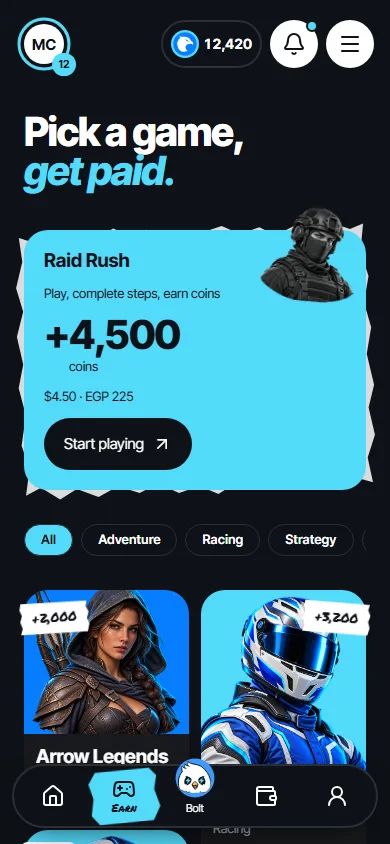
A game offer is a set of conditions that, if met, earns a reward. It names a game and a platform, lists what you have to do, and gives a time limit. If you do all of it in time, a reward is due. If you do part of it, you get what the offer says for that part, which is sometimes nothing.
People often ask how do game offers work because the reward does not appear when the level does. That gap is where most confusion lives, so it is worth understanding in detail.
A useful way to see it is as a small contract. You agree to do certain things within a time limit, and the other side agrees to pay a defined reward if you do. Like any contract, the details matter more than the headline.
Milestones
A milestone is a specific achievement, such as reaching level ten or completing a stage. Many offers have several, each worth a different amount, and later ones usually pay more because they ask for more play.
Read milestones literally. Reach level 20 means level 20, not nearly level 20. Some are cumulative and some are separate, so check whether finishing a later one also counts the earlier ones. If the offer page does not make this clear, assume nothing.
Some milestones depend on things you cannot fully control, such as how quickly a game lets you progress without paying. If a level seems to require a purchase to reach in time, the offer page should say so. If it does not, ask before you assume.
Deadlines
Most offers run against a clock. The clock normally starts when you begin the offer, not when you first open the game, and a milestone reached after it stops does not count.
Plan backwards. If a milestone realistically takes you ten hours and you have a week, the arithmetic is simple. If it takes you ten hours and you have two evenings, this offer is not for you, and choosing another one is a sensible decision rather than a failure.
It can help to build in a margin. Aim to finish a day before the deadline, not an hour before, because confirmation, a lost connection or an unexpected update can all eat into the last stretch of the window.
From started to pending
An offer moves through states. Started means the platform has recorded that you began. In progress means play is being tracked. When you reach a milestone, the provider reports it, and the reward is shown as pending.
Pending means the report has been received but the platform has not confirmed it. Pending is not paid. Confirmation checks that the activity matches the offer and your account. It can take time, and some pending rewards are not confirmed, for example if the activity does not match the conditions.
While a reward is pending, the best thing you can do is nothing. Do not reinstall, switch accounts or restart the offer. Those actions can break the link between your play and the provider's record and make a confirmable reward unconfirmable.
Confirmed, available and cashed out
When FastPlay confirms the reward, coins arrive in your balance. From there, you can request a cash-out to one of the methods available in your country. Confirmed is the earliest point at which you can treat the reward as yours.
If a status looks wrong, for example a milestone you are sure you finished that never reached pending, use the recorded offer status as your starting point and contact support with the details. It is much easier to investigate a specific offer and date than a general complaint.
Remember also that available methods and amounts differ by country. A reward in your balance is a reward in coins, and the cash-out page shows what that is worth in the methods you can use. Coins are the record, and the cash-out page is where they turn into something else.
Habits that avoid problems
Start offers from the offer page, not from the app store. Note the deadline when you begin. Keep the game installed and signed in to the same account until the reward is confirmed. Avoid anything that could look like tampering, such as using shared devices or automation.
FastPlay is for adults, 18 and over, and what you can do depends on your country and device. For a more detailed reading checklist, see our guide to reading an offer before you start, and for the whole journey, the how it works page.
If you have had a bad experience on another platform, do not assume the same applies here, but do use the same discipline. Read, note the deadline, start from the right page and keep records. Those four habits cover most of what goes wrong with offers anywhere.
Offers can feel complicated the first time, then routine by the third. The first few are best treated as practice: pick short ones, watch each state change, and learn what the pages tell you. After that, reading a new offer takes a minute, and you will spot the ones that do not suit you almost immediately. Ask Aero if you want a plain-language summary of any offer before you commit.
One more thing worth saying plainly: you are allowed to skip offers. Nobody is owed a completion, and a short list of offers you actually finish is worth more than a long list of half-started ones that expire unnoticed while you play something else.